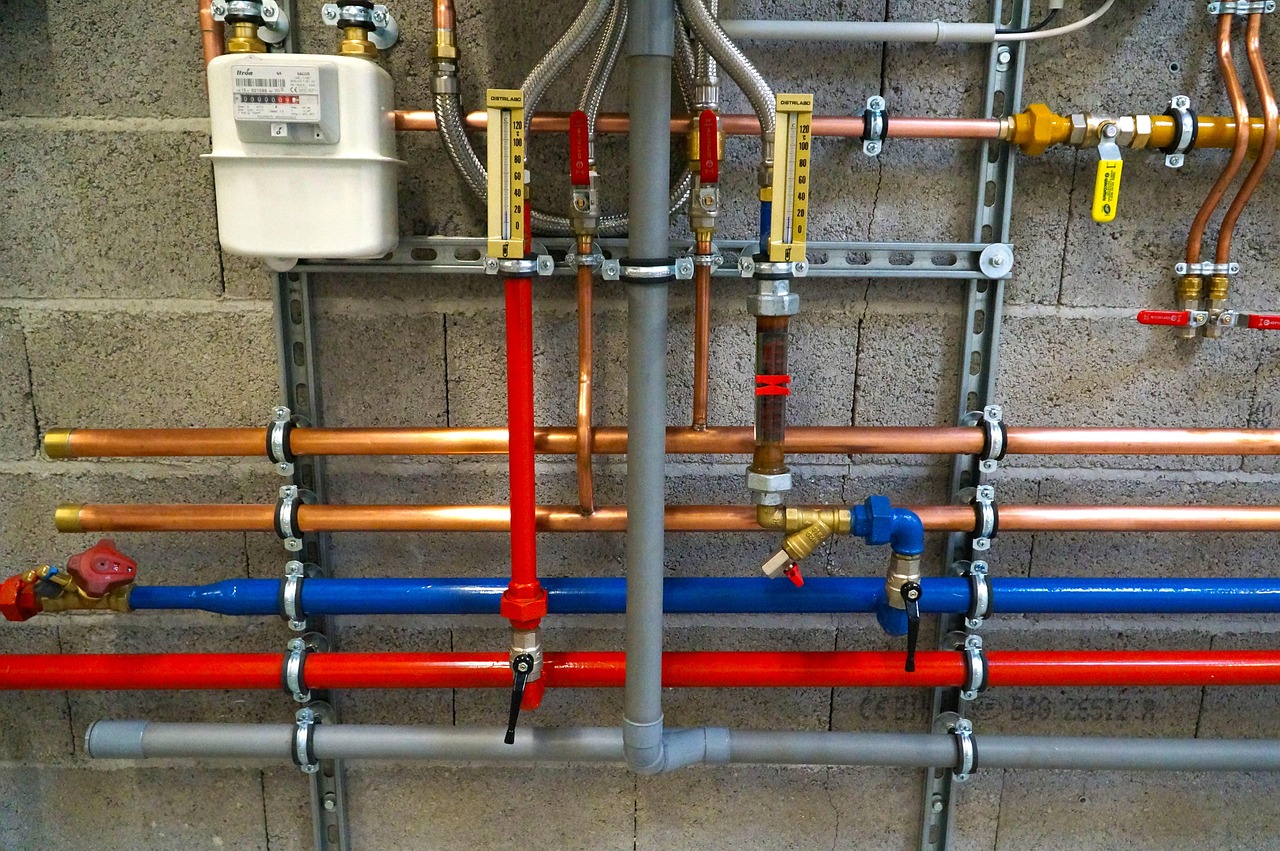
Denver gas line replacement is a specialized service that requires expert knowledge and precise execution. Whether you’re dealing with an old, corroded pipe or a sudden gas leak, timely and professional intervention can prevent potential hazards and ensure your peace of mind. This comprehensive guide will walk you through recognizing when to call for professional help, understanding the process of Denver gas line replacement, and highlighting the benefits of choosing reputable local contractors.
When to Call for Denver Gas Line Replacement
Identifying the need for a gas line repair or replacement is crucial for safety and cost-effectiveness. Here are some clear signs that indicate it’s time to contact licensed gas line contractors near you:
-
Leaking Gas: Any visible signs of a gas leak, such as hissing sounds, bubbling in wet areas, or the smell of sulfur, are immediate red flags. Never ignore these symptoms; they could indicate a significant hazard.
-
Old or Corroded Pipes: If your gas lines are old and showing signs of corrosion, rust, or damage, replacement might be necessary to avoid potential leaks and ensure efficient gas flow.
-
High Energy Bills: Unexpectedly high energy expenses could signal a problem with your gas lines. An expert can assess whether the issue is with faulty connections, inefficient piping, or other problems.
-
Noise and Vibration: Unusual noises coming from gas pipes, such as banging or screeching, warrant attention. These sounds might indicate loose connections, corrosion, or damage that requires professional repair.
-
Water Damage: Areas around gas lines that have experienced water damage may be at higher risk of leaks. Regularly inspect these areas and consult a professional if any signs of moisture are found.
Understanding the Denver Gas Line Replacement Process
Denver gas line replacement involves several steps, each crucial for ensuring a safe and effective repair or installation. Here’s what you can expect:
1. Assessment and Planning
Before any work begins, qualified gas fitters will conduct a thorough assessment of your gas lines. This includes visual inspection, testing for leaks, and evaluating the overall condition of the pipes and fittings. During this phase, they’ll also discuss your needs and goals, providing transparent insights into what needs to be done.
2. Permits and Safety Measures
Gas line replacement projects often require permits from local authorities to ensure compliance with building codes and safety regulations. Reputable contractors will handle the paperwork, ensuring everything is done according to legal requirements. They’ll also implement safety measures, including shutting off gas supplies if necessary, to safeguard your property and nearby structures.
3. Digging and Access
Depending on the scope of work, the contractor may need to dig along the route of the gas line to access the pipes. This requires careful planning and minimal disruption to your property. Modern equipment and techniques are used to minimize excavation and reduce the impact on landscapes.
4. Replacing Gas Lines
The actual replacement involves removing the old, damaged lines and installing new ones. Fitters use specialized tools and techniques to ensure a secure connection. They follow strict guidelines for proper jointing, backfilling, and compaction to guarantee long-lasting results.
5. Testing and Inspection
Once the new gas lines are in place, they undergo rigorous testing to detect any leaks or issues. This includes pressure testing and leak detection methods to ensure the system operates safely and efficiently. After successful testing, inspections by relevant authorities may be conducted to issue final permits.
Benefits of Choosing Licensed Local Gas Fitters in Colorado
Selecting a reputable gas line contractor for your Denver property offers numerous advantages:
-
Expertise and Experience: Locally rated and licensed gas fitters have the skills and knowledge specific to the region’s conditions, ensuring your gas lines are installed or repaired according to local standards.
-
Safety Compliance: Professional contractors adhere to strict safety protocols, minimizing risks associated with gas work and protecting your property from potential damage.
-
Warranties and Guarantees: Reputable companies stand behind their work, offering warranties that provide peace of mind and financial protection in case of any issues arising after the job is done.
-
Convenience and Prompt Service: When you need emergency gas leak repair in Denver or a same-day replacement, local contractors can offer quick response times due to their proximity to your location.
-
Cost Savings: While initial costs may seem higher for licensed professionals, their expertise often leads to more efficient work, reducing the risk of future repairs and ensuring long-term savings.
Finding Top-Rated Local Gas Fitters in Denver
When searching for affordable Denver gas line replacement services, consider these tips to locate highly rated local contractors:
-
Online Reviews: Check reputable review sites like Google, Yelp, or Angie’s List for feedback from previous clients. Look for consistent positive reviews and a history of successful projects.
-
Local Business Directories: Websites and apps that list local businesses can be valuable resources. Filter your search by category (plumbing/gas fitters) and check for ratings and customer comments.
-
Referrals: Ask friends, family, or neighbors who have recently had similar work done for recommendations. Personal referrals can provide insights into the contractor’s professionalism and quality of work.
-
Licensing and Insurance: Ensure any contractor you consider is properly licensed and insured to perform gas line replacement work in Colorado. This protects both your investment and your property.
FAQ: Denver Gas Line Replacement
1. How often should I get my gas lines checked?
It’s recommended to have your gas lines inspected by a professional at least once every five years. Regular checks can identify potential issues early, preventing more significant problems down the line.
2. Can I perform a Denver gas line replacement myself?
While DIY projects are popular, gas line replacement is not a task for amateurs. It requires specialized knowledge, tools, and safety gear. Attempting to do it yourself could lead to leaks, fires, or other hazards, making professional assistance essential for your safety.
3. What causes gas lines to leak?
Leaks can be caused by various factors, including corrosion (especially in older pipes), damage from lawnmowers or construction work, faulty fittings, or issues during installation. Regular maintenance and prompt repair of any leaks are crucial for safety and efficiency.
4. How quickly can an emergency gas leak repair be done in Denver?
In an emergency, reputable contractors will prioritize your request. They can often dispatch a team the same day, depending on their schedule and your location. Quick response times are critical to minimizing potential hazards and damage caused by gas leaks.
5. Are there any signs I should avoid when checking for gas leaks?
Never rely solely on your senses to detect gas leaks. While you might smell sulfur (a common indicator), visual signs are equally important. Avoid any visible moisture around gas lines, as it could indicate a leak. Never ignore hissing sounds or bubbling in wet areas, as these are clear indicators of a problem that requires immediate professional attention.
Conclusion
Denver gas line replacement is an investment in your property’s safety and efficiency. By understanding when to call for professional help, knowing the replacement process, and choosing reputable local contractors, you can ensure peace of mind and protect your home or business from potential hazards. Whether it’s a routine inspection or an emergency repair, a licensed gas fitter is your best ally in maintaining a safe and reliable gas system.