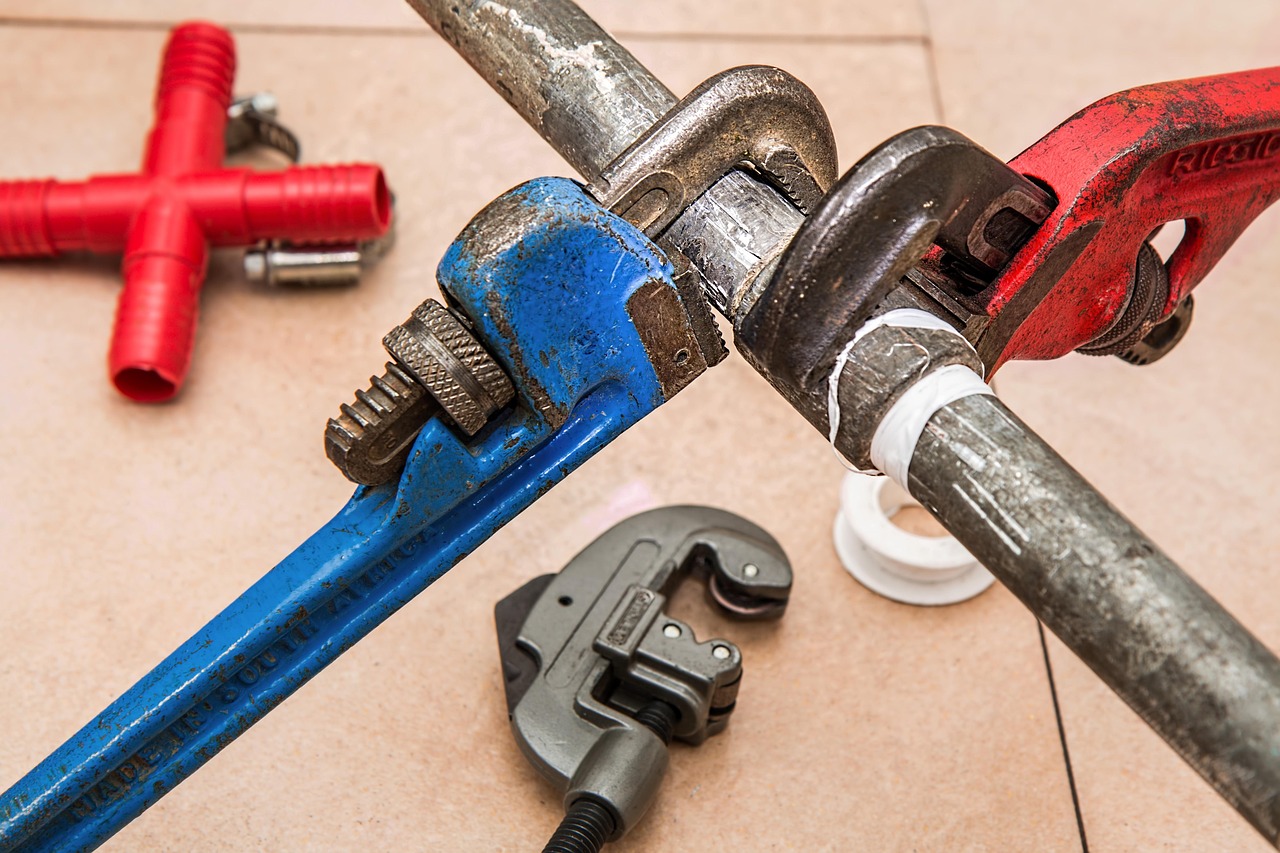
Understanding the permitting process is crucial for any Denver gas line replacement project. This comprehensive guide explores the regulations, types of permits required, and tips for finding reputable, licensed contractors specializing in affordable and same-day gas line repair and installation in Denver, CO.
Understanding Denver Gas Line Replacement Permits: A Comprehensive Guide
Gas line replacements, whether for residential or commercial properties in Denver, are complex projects that require adherence to stringent safety regulations. Before beginning any work, homeowners and businesses must navigate the permitting process, ensuring compliance with local codes and avoiding costly fines. This guide provides a detailed overview of what you need to know about Denver gas line replacement permits, empowering you to make informed decisions.
Why Permits Are Essential
Permits serve as official approvals from the city of Denver, confirming that your gas line replacement project meets all safety and building code standards. Obtaining the necessary permits is crucial for several reasons:
- Safety: Gas lines pose significant safety risks. Permits ensure that work is performed by licensed professionals who follow approved safety protocols, minimizing the risk of leaks, explosions, and other hazardous situations.
- Code Compliance: Local building codes dictate the specific requirements for gas line installation, including material specifications, depth of burial, and clearance from structures. Permits guarantee your project complies with these regulations.
- Avoidance of Fines: Failure to obtain the proper permits can result in hefty fines and legal repercussions. Protect yourself and your budget by ensuring full compliance from the outset.
Types of Permits Required for Denver Gas Line Replacement
The specific permits needed for your gas line replacement project in Denver can vary depending on several factors, including project scope, location, and type of gas line. Generally, the following permits are required:
1. Building Permit: This is the most crucial permit, ensuring the overall structural integrity and safety of the gas line installation. It covers aspects like material choices, depth of burial, and connection to the main gas line.
2. Gas Service Permit: This permit is specifically for the actual gas line work, including installation, connection to the main line, and backflow prevention devices. It requires detailed plans and specifications from the contractor.
3. Sewer and Water Permits (if applicable): If your gas line replacement involves altering or encroaching upon city sewer or water lines, additional permits may be necessary.
4. Underground Utility Locates: Before any excavation, you must request an underground utility locate from a company like OneCall. This service identifies the location of underground utilities, ensuring safe excavation and preventing damage.
Navigating the Permitting Process
The permitting process for Denver gas line replacement involves several key steps:
1. Research and Planning: Begin by researching the specific permits required for your project. The City and County of Denver’s website provides comprehensive information on building and utility permits.
2. Prepare Necessary Documents: Gather all required documents, including plans, specifications, and permit applications. Your contractor should be able to provide assistance with this.
3. Submit Applications: Submit your permit applications, along with the required fees, to the appropriate Denver departments (often the Building Department and Public Utilities).
4. Obtain Permits: Once your applications are approved, you will receive the necessary permits. Ensure you understand the conditions and requirements of each permit.
5. Schedule Inspections: Some permits, like the building permit, may require inspections during and after completion of the work. Schedule these inspections as required.
6. Comply with Conditions: Carefully review the conditions of each permit and ensure your contractor adheres to them throughout the project.
Finding Reputable Denver Gas Line Contractors
Choosing a licensed and reputable contractor is vital for a successful gas line replacement project. The following tips can help you make an informed decision:
-
Check for Licenses and Insurance: Ensure the contractor holds the appropriate licenses for gas line work in Colorado. Verify their insurance coverage, including liability and worker’s compensation.
-
Request Referrals: Ask for references from previous clients and contact them to learn about their experience with the contractor.
-
Check Reviews: Explore online reviews on platforms like Google, Yelp, or Angie’s List to gauge customer satisfaction.
-
Compare Quotes: Obtain multiple quotes from different contractors to ensure you’re getting a fair price for quality work.
-
Ask About Experience: Inquire about the contractor’s experience with gas line replacements, especially in your specific situation (e.g., older homes, complex landscapes).
Emergency Gas Leak Repair in Denver
Unforeseen gas leaks can occur at any time. If you suspect a gas leak, take immediate action:
- Evacuate the Area: Remove everyone from the immediate vicinity of the suspected leak.
- Call Emergency Services: Contact Denver’s emergency gas line number or 911. Provide them with your location and describe the situation.
- Do Not Attempt to Fix Yourself: Gas leaks can be extremely dangerous. Leave repair work to trained professionals.
Affordable Denver Gas Line Replacement: Tips for Saving Money
Gas line replacements can be costly, but there are ways to keep expenses down:
- Compare Contractor Quotes: Shop around and compare quotes from multiple contractors to find the most competitive prices.
- Opt for Efficient Materials: Choosing energy-efficient appliances and piping materials can reduce overall gas consumption and long-term costs.
- Schedule During Off-Peak Times: Some contractors offer discounts for scheduling gas line replacements during off-peak hours.
Conclusion
Denver gas line replacement requires careful planning, proper permits, and the expertise of licensed professionals. By understanding the permitting process, selecting a reputable contractor, and taking preventative measures, homeowners and businesses can ensure a safe, efficient, and cost-effective gas line replacement. Remember, always prioritize safety and compliance with local regulations for a smooth and successful project.