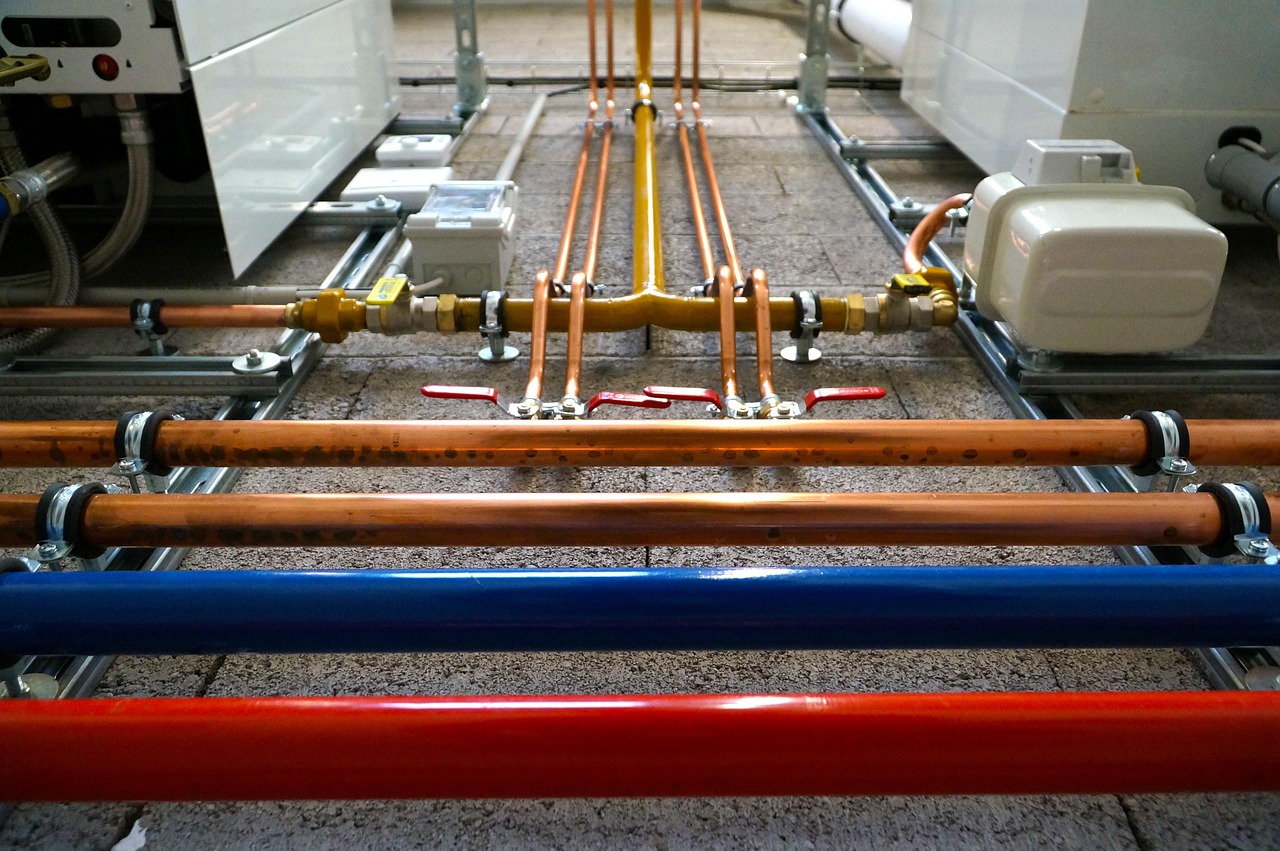
Older homes in Denver often require specialized care when it comes to gas line replacement due to historical considerations. This guide explores the challenges, benefits, and steps involved in affordable Denver gas line replacement, emergency repairs, and finding licensed contractors for same-day service.
Introduction: The Importance of Gas Line Replacement in Historic Denver Homes
In the vibrant city of Denver, where historic architecture meets modern comforts, homeowners often face a delicate balance between preserving the past and updating essential systems. One such crucial system is the gas line infrastructure, particularly in older homes built before stricter building codes and safety standards were implemented. This article delves into the significance of Denver gas line replacement, offering insights from a historical perspective and guiding homeowners through the process with practical advice.
Understanding the Historical Context: Older Homes and Gas Safety
The Evolution of Gas Lines in Denver
Denver’s history is intertwined with the growth of its natural gas network, which began as a means to provide fuel for residential heating and cooking. Over time, the city witnessed a transition from old copper pipes to modern plastic and steel piping. However, many historic neighborhoods still harbor homes with outdated gas lines, raising safety concerns.
Historical Challenges: Leaks, Hazards, and Outdated Materials
-
Leakage Issues: Older copper gas lines are prone to corrosion and cracking, leading to leaks that can go unnoticed for extended periods. These leaks pose significant risks, including carbon monoxide poisoning and explosions.
-
Material Deterioration: Over time, the joints and fittings in ancient gas lines may become weakened, increasing the likelihood of ruptures during routine activities like backfilling or remodeling.
-
Lack of Modern Safety Features: Historic homes might not have been equipped with modern safety devices like pressure regulators and automatic shut-off valves, leaving them vulnerable to gas build-up and potential disasters.
Benefits of Denver Gas Line Replacement: A Historical Perspective
Enhanced Safety and Peace of Mind
One of the primary advantages of replacing outdated gas lines is the substantial improvement in safety for residents. Modern materials and installation techniques significantly reduce the risk of leaks, fire hazards, and carbon monoxide poisoning. This peace of mind is invaluable, especially in homes with children or elderly occupants.
Increased Home Value and Market Competitiveness
In a real estate market where curb appeal and modern amenities matter, updated gas lines can be a significant selling point. Homeowners who invest in Denver gas line replacement may find their properties become more attractive to potential buyers, potentially increasing resale value.
Improved Efficiency and Cost Savings
Newer gas lines often incorporate advanced materials and technologies that enhance efficiency. This can lead to reduced energy costs for homeowners over time, making the investment in replacement a financially sensible decision.
Steps Involved in Denver Gas Line Replacement: A Comprehensive Guide
1. Assessment and Planning
-
Professional Inspection: Begin by hiring licensed gas fitters who specialize in historic homes. They will conduct a thorough inspection to identify the extent of the work required, taking into account the unique characteristics of your property.
-
Historical Preservation: Discuss any specific historical considerations with your contractors. Some old homes may have architectural or decorative elements that need protection during renovation.
-
Permit Requirements: Familiarize yourself with local building codes and permits. Denver has strict regulations for gas line replacements to ensure safety, so ensure you comply with all requirements.
2. Choosing the Right Contractors: Finding Licensed Gas Line Experts
-
Research Local Contractors: Look for highly rated, licensed gas fitters in Colorado with a proven track record of successful historic home renovations. Online reviews and referrals from trusted sources are valuable resources.
-
Specialized Experience: Ensure your chosen contractor has experience dealing with the challenges posed by older homes. They should be equipped to handle unique piping configurations, historical materials, and preservation requirements.
-
Ask About Licenses and Insurance: Verify that the contractors possess valid licenses and carry adequate insurance coverage to protect against potential risks during the replacement process.
3. The Replacement Process: Step-by-Step Guide
a. Material Selection
-
Modern gas lines typically use high-density polyethylene (HDPE) or cross-linked polyethylen (XLPE) pipes, known for their durability and resistance to corrosion. These materials offer superior performance compared to traditional copper.
-
For historical preservation, some contractors may recommend using new, historically accurate piping materials that mimic the look of old copper while providing enhanced safety features.
b. Disassembly and Repair
-
Contractors will carefully remove the existing gas lines, taking precautions to avoid damage to surrounding structures or historical elements.
-
Leaks and corroded joints are repaired or replaced, ensuring the integrity of the new gas line system.
c. Installation
-
The new gas lines are meticulously installed, adhering to modern building codes and safety standards.
-
New fittings and appliances are connected, and all work is thoroughly tested for leaks before final installation.
4. Emergency Gas Leak Repair in Denver: Quick Response, Expert Solutions
In the event of a gas leak, prompt action is crucial. Here’s what to do and how to find emergency gas leak repair services in Denver:
-
Evacuate Immediately: If you suspect a gas leak, evacuate your home immediately and call 911 from a safe location.
-
Contact Local Emergency Services: Denver has dedicated emergency response teams trained to handle gas leaks. They will assess the situation and coordinate with qualified contractors for repairs.
-
Licensed Emergency Repairers: Reliable emergency gas leak repair services in Denver should be licensed and equipped to handle urgent situations, offering same-day or even 24/7 response times.
5. Maintenance and Regular Checks: Ensuring Longevity of New Gas Lines
-
Regular Inspection: Schedule periodic inspections of your gas lines to ensure their longevity. This is especially important for older homes with newly replaced systems.
-
Maintenance Tips: Keep nearby vegetation trimmed to prevent damage to gas lines. Avoid digging near gas pipes without professional locates to minimize the risk of accidental rupture.
Frequently Asked Questions (FAQs)
Q: How much does Denver gas line replacement typically cost?
A: The cost varies depending on several factors, including the scope of work, home size, and historical considerations. For a complete replacement in an older home, expect to pay between $5,000 and $15,000. Emergency repairs are typically more urgent and costly, ranging from $200 to $1,000 or more, depending on the severity of the leak.
Q: Can my old copper gas lines be repaired instead of replaced?
A: While repairs can extend the life of copper pipes, they may not be as effective or safe as complete replacement. Leaks in ancient copper lines are often challenging to locate and fix, and the risk of future problems increases with age. Replacement offers a more reliable solution in the long term.
Q: Are there tax incentives or grants available for gas line replacement?
A: Homeowners in Denver may be eligible for various energy efficiency programs that could provide financial assistance for gas line replacements. Check with local utility companies and government agencies for specific programs and guidelines.
Q: How quickly can I expect my home to be ready after gas line replacement?
A: The timeline depends on the complexity of the project. Smaller jobs might take a few days, while larger historic renovations could extend the process to a week or more. Contractors will provide a projected completion date during the initial assessment.
Conclusion: Prioritizing Safety and Preservation through Denver Gas Line Replacement
In the heart of historic Denver, the careful balance between preserving architectural heritage and ensuring modern safety systems is essential. By investing in affordable Denver gas line replacement, emergency repairs, and selecting licensed, experienced contractors, homeowners can enjoy improved living conditions, increased property value, and peace of mind. This comprehensive guide aims to empower residents to make informed decisions regarding their gas infrastructure, contributing to the city’s vibrant future while respecting its rich past.