Learn how to replace your gas line in Denver with this step-by-step guide tailored for do-it-yourselfers. From identifying leaks to hiring local, licensed contractors, we cover everything between. Discover the importance of timely repairs and gain confidence in maintaining your home’s gas infrastructure.
Introduction
In the heart of Colorado, Denver residents rely on efficient and safe gas line systems for heating, cooking, and more. However, over time, these lines can wear out, leading to potential leaks and safety hazards. Denver gas line replacement is a crucial task that requires careful planning and expertise. This guide aims to empower DIY enthusiasts by breaking down the process into manageable steps while emphasizing the importance of professional assistance when needed.
Understanding Denver Gas Line Replacement
Why It’s Necessary
Gas lines, if neglected, can develop cracks or corrosion, leading to leaks that pose significant risks:
- Fire Hazard: Leaking gas is highly flammable, creating a dangerous fire risk in and around your home.
- Explosions: Buildup of gas can lead to explosions, causing severe property damage and personal injury.
- Health Concerns: Prolonged exposure to leaking gas can be harmful to your health, leading to respiratory issues.
Benefits of DIY Replacement
Taking on this project yourself offers several advantages:
- Cost Savings: Hiring professionals for minor repairs can be expensive. Learning the process allows you to tackle smaller replacements affordably.
- Convenience: You control your schedule and avoid waiting for contractor availability.
- Learning Opportunity: Gaining hands-on experience with gas lines enhances your DIY skills.
Step-by-Step Guide: Denver Gas Line Replacement
1. Identifying the Problem
The first step is to recognize when a replacement is necessary. Here are common signs:
- Gas Leaks: Look for hissing sounds, damp spots, or odours around pipes.
- Corroded Pipes: Inspect pipes for rust or damage, especially in older homes.
- Reduced Water Pressure: A leak near water pipes might indicate a problem with the gas line.
2. Gather Supplies and Tools
Before beginning, ensure you have:
- New gas line (copper or PVC) suitable for your application.
- Fittings, valves, and connectors compatible with your system.
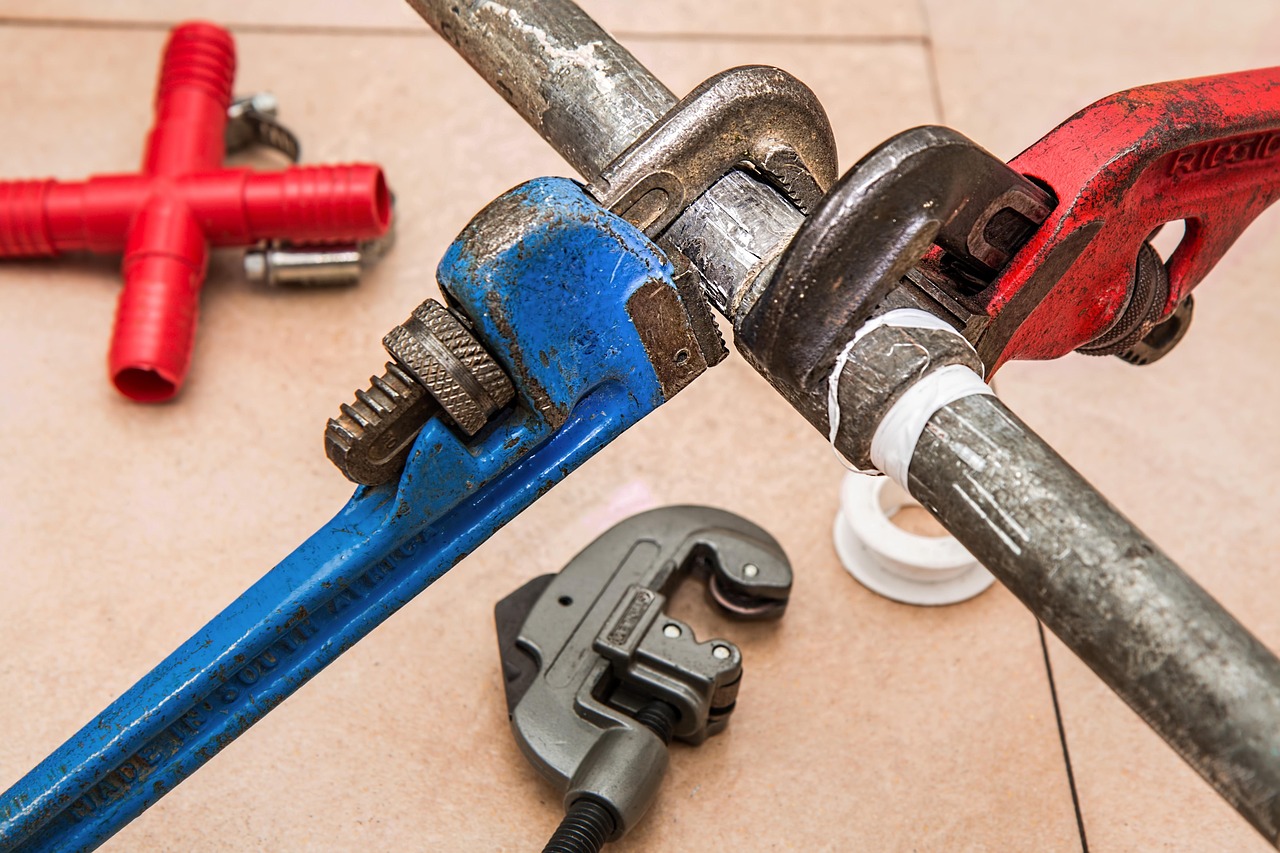
- Pipe cutters, wrenches, and other tools for installation.
- Safety gear, including gloves, safety glasses, and a respirator mask.
3. Shut Off the Gas Supply
Safety is paramount. Follow these steps to isolate the gas:
- Locate the Main Shutoff Valve: This valve controls the entire gas supply to your home. It’s usually near the meter or in a utility room.
- Turn it Counterclockwise: Use a wrench to shut off the gas flow completely. Test the valve with a pressure gauge to confirm.
4. Plan Your Route and Prepare the Area
Measuring and Planning:
- Measure the length of the pipe to be replaced and cut your new line accordingly.
- Map out the route, ensuring it avoids obstacles like appliances or walls.
Preparing the Surroundings:
- Clear a wide area around the work site to facilitate easy access and movement.
- Protect nearby surfaces with drop cloths to prevent scratches or stains.
- Inform family members or roommates about the project to avoid disruptions.
5. Remove the Old Gas Line
Safety Precautions:
- Ensure no gas is flowing before proceeding.
- Keep a pressure gauge handy to monitor any unexpected leaks during removal.
Steps:
- Loosen and remove existing fittings, valves, and connectors using wrenches or pliers.
- Cut away the old pipe, leaving a few inches on each end for cleaner removal.
- Clear debris from the cut ends of the pipe.
6. Install the New Gas Line
Fitting the Pipe:
- Prepare new fittings by cleaning and applying thread tape or grease as needed.
- Connect the new line to the shutoff valve, ensuring a secure fit.
- Attach fittings, valves, and connectors in the desired order, following manufacturer instructions.
Testing the Connection:
- Before routing the line, check connections for leaks using soapy water or a pressure test kit.
- If leaks are found, tighten connections and retest until no gas escapes.
7. Route and Secure the New Line
Following Your Plan:
- Route the new gas line according to your measurement and mapping.
- Use brackets, straps, or other supports to keep the line secure along its route.
Hiding the Line:
- Once in place, cover the line with insulation to protect it from damage and freezing.
- Route the line through walls, floors, or ceilings as needed, ensuring a safe passage.
8. Reconnect the Gas Supply and Test
Final Steps:
- Turn on the main gas shutoff valve.
- Check for leaks at each connection point using a pressure gauge or soapy water test.
- If all connections are secure and no leaks exist, your new gas line is ready to use.
Choosing Local Professionals for Emergency Repairs
In situations where a leak occurs outside of your control (e.g., an accident or severe weather), immediate action is crucial:
- Emergency Gas Shutoff: If the main shutoff valve cannot be located or turned off, call a licensed gas emergency service. They will isolate the gas supply to prevent hazards.
- Local, Best-Rated Contractors: Research and engage reliable, local gas fitters in Colorado known for their promptness and expertise. Websites like Angie’s List and HomeAdvisor can provide valuable insights.
- 24/7 Availability: Ensure your chosen contractor offers same-day or emergency services to address leaks promptly.
Frequently Asked Questions (FAQs)
Q: How often should I inspect my gas lines?
A: Regular inspection is key to early detection of issues. Check for signs of damage, corrosion, or leaks at least once per year, especially in older homes.
Q: Can I handle major repairs on my own?
A: While DIY can be rewarding, complex repairs often require professional knowledge and equipment. Major gas line replacements are best left to licensed contractors to ensure safety.
Q: What should I do if I smell gas?
A: Gas leaks are a serious matter. Immediately turn off the main gas shutoff valve, open windows, and evacuate the area. Contact emergency services or a professional for assistance.
Q: Are there any regulations governing gas line replacements in Denver?
A: Yes, the City and County of Denver has specific codes and permits for gas work. Always ensure your project complies with local regulations to avoid fines and potential safety risks.
Conclusion:
Denver gas line replacement is a vital task that requires preparation and attention to detail. By following this comprehensive guide, DIY enthusiasts can confidently handle minor replacements while understanding the value of professional assistance for more complex repairs. Remember, safety should always be the top priority when working with gas lines. With the right knowledge and tools, you can maintain your Denver home’s energy infrastructure efficiently and securely.