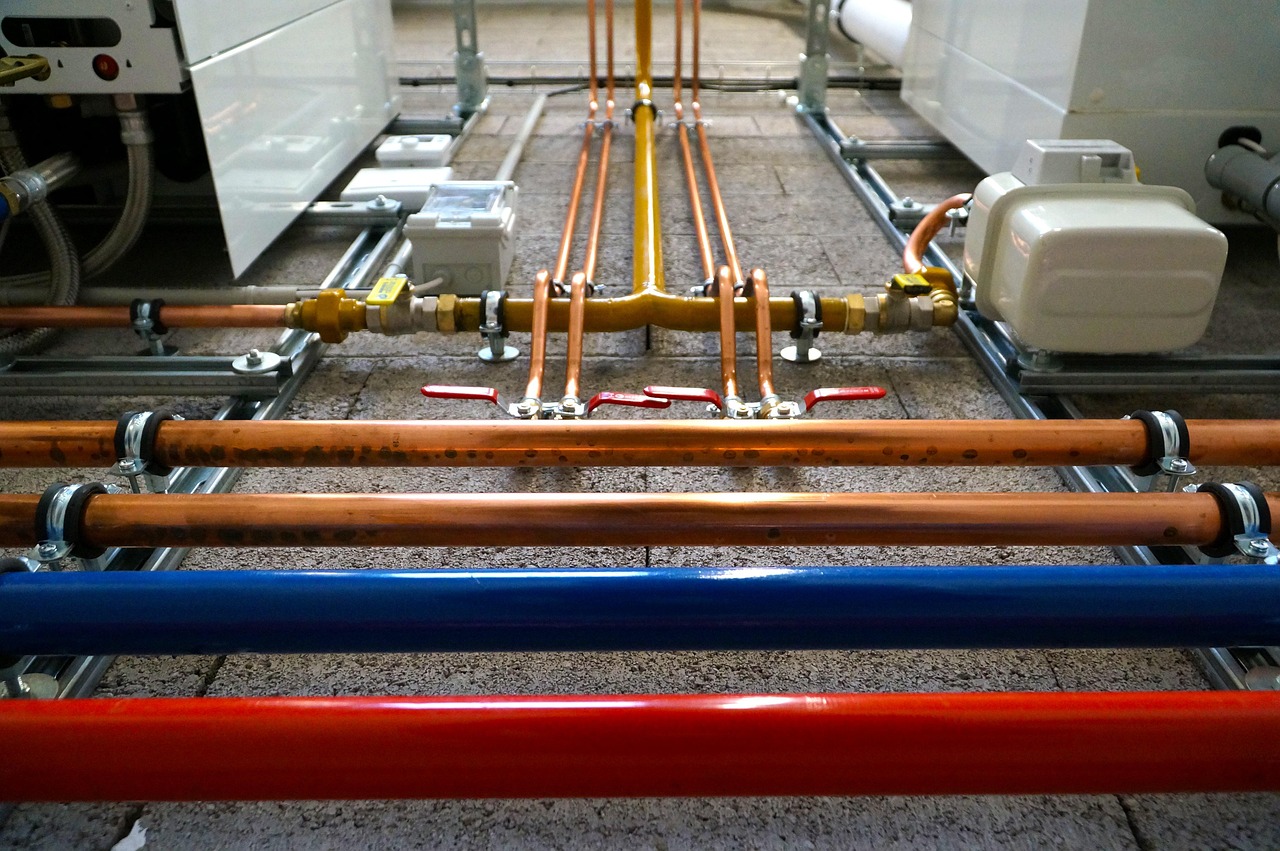
Looking to tackle your Denver gas line replacement project yourself? This comprehensive guide breaks down the process step-by-step, offering valuable insights for DIY enthusiasts. From safety precautions and tool requirements to troubleshooting common issues, we equip you with the knowledge to handle this critical home improvement task affordably and efficiently, ensuring peace of mind in your Denver home.
Introduction: Why Choose DIY Gas Line Replacement?
In the pursuit of affordable Denver gas line replacement options, many homeowners opt for do-it-yourself (DIY) solutions to save costs. While it might seem daunting at first, understanding the process and taking a systematic approach can make this project feasible and even rewarding. This guide is tailored to empower DIY enthusiasts like you with the skills and confidence needed to handle your gas line replacement safely and effectively.
Understanding Denver Gas Line Replacement: Basics and Benefits
What is a Gas Line?
A gas line is a vital component of any Denver home, facilitating the safe delivery of natural gas for heating, cooking, and energy needs. It consists of pipes and fittings that transport compressed natural gas from the main supply to individual appliances like furnaces, water heaters, and stoves.
Why Replace a Gas Line?
Gas line replacement becomes necessary due to various factors:
- Age and Wear: Over time, gas lines can degrade, corrode, or develop leaks, compromising safety and efficiency.
- Maintenance: Regular maintenance may identify issues that require replacement, such as loose connections or damaged pipes.
- Upgrades: Newer appliances might have different gas connection requirements, necessitating an upgrade.
- Safety Concerns: Leaks or faulty lines pose significant risks, including explosions and carbon monoxide poisoning.
Benefits of DIY Gas Line Replacement:
- Cost Savings: Avoid high contractor fees by taking on the project yourself.
- Control: Enjoy the satisfaction of completing a complex home improvement task.
- Flexibility: Work at your own pace and schedule, adapting to your availability.
- Safety Awareness: Understanding the process enhances your ability to recognize and prevent potential hazards.
Step-by-Step Guide to Denver Gas Line Replacement
Preparation: Before You Begin
Safety First:
- Turn Off the Gas Supply: Before starting any gas line work, shut off the main gas supply valve to your home. Locate this valve near the meter and ensure it’s turned clockwise (closed position).
- Ventilate the Area: Open windows and doors to ensure adequate ventilation throughout the project.
- Wear Protective Gear: Include safety goggles, gloves, and long pants to guard against potential sparks or debris.
Gather Tools and Materials:
- Tools Required: Pipe wrenches (open-end and adjustable), hacksaw, wire brush, tape measure, marker, pencil, and a new gas line kit (including pipes, fittings, and connectors).
- Materials: Ensure you have the correct size pipe for your application, as well as any additional fittings from your gas line kit.
- Optional Tools: A pressure gauge to test gas line integrity after completion.
Step 1: Assess Your Gas Line and Plan the Replacement
Inspect the Existing Line:
- Begin by examining the old gas line for damage, corrosion, or signs of wear. Look for loose connections, leaks, or any anomalies that could impact your replacement process.
- Take measurements to determine the length of pipe needed for replacement.
- Note the type and size of fittings used in your existing system, ensuring compatibility with your new line.
Plan Your Route:
- Decide on the most efficient route for the new gas line, considering appliances it will serve and any potential obstacles.
- Mark the path clearly to guide your installation process.
Step 2: Shut Off Appliance Valves and Prepare Appliances
- Before removing any existing lines, shut off individual appliance valves to prevent gas from escaping during your work.
- Disconnect appliances from the gas line by carefully detaching the flexible connections. Keep these connections for reuse if possible.
- Debris or remaining gas could accumulate in pipes, so ensure ventilation remains open throughout this step.
Step 3: Remove and Replace Gas Line Fittings
Drain the Gas Line (Optional but Recommended):
- If your system has been in use for a while, draining the line of residual gas is crucial for safety. Use a pressure relief valve or venting tool to release any remaining pressure.
Disconnect Existing Fittings:
- Using pipe wrenches, carefully loosen and remove all existing fittings, including joints and connectors.
- Clean the pipe ends with a wire brush to ensure no debris or corrosion remains.
Install New Fittings:
- Follow your gas line kit instructions to install new fittings, ensuring they are securely fastened with pipe wrenches.
- Double-check connections for leaks before moving on.
Step 4: Cut and Fit the New Gas Line
Measure and Mark Pipe Length:
- Using your measurements from Step 1, cut the new gas line to the required length, ensuring a precise fit.
Assemble Line and Test Connections:
- Follow the kit instructions to assemble the gas line, connecting pipes and fittings securely.
- Before fully installing, test connections for leaks using soapy water or leak detection solution (available at hardware stores).
Step 5: Reconnect Appliances and Test Gas Supply
Reattach Appliance Valves:
- Once your new gas line is assembled and tested, reconnect the appliance valves in reverse order of disconnection. Tighten connections securely.
Test Gas Supply:
- Open each appliance valve to check for proper gas flow. Listen for any unusual sounds or detect a faint odor (from added odorant) indicating a potential leak.
- If leaks persist, recheck connections and tighten as needed.
Step 6: Final Checks and Maintenance
Safety Inspection:
- Conduct a final safety inspection, ensuring all fittings are secure, and no leaks are present.
- Check for proper gas pressure using a pressure gauge (if available).
Maintenance Tips:
- Regularly inspect your gas line for any signs of damage or corrosion.
- Keep records of maintenance activities and replacement parts for future reference.
- For complex installations or annual inspections, consider hiring licensed professionals to ensure compliance with local regulations.
Troubleshooting Common Denver Gas Line Replacement Issues
Leaks:
- Cause: Incomplete connections, corroded pipes, or damaged fittings.
- Solution: Double-check all connections for tightness using pipe wrenches. Inspect pipes and fittings for signs of wear or corrosion and replace as needed.
Gas Pressure Issues:
- Cause: Improperly adjusted regulator, blocked vents, or faulty pressure gauge.
- Solution: Ensure the gas regulator is set to the correct pressure level. Check venting systems for obstructions and verify gauge readings with a known working gauge.
Difficult Cut or Fitting Installation:
- Cause: Using the wrong size tools or pipe, or encountering unexpected obstacles like nails or bolts.
- Solution: Double-check pipe dimensions before cutting. Use the appropriate tool for the job. If stuck, consult your kit instructions or seek advice from a local hardware store expert.
Conclusion: Empowering DIYers in Denver with Safe and Effective Gas Line Replacement
Denver gas line replacement need not be a daunting task for well-prepared DIY enthusiasts. By following this step-by-step guide, you can confidently navigate the process, ensuring your home’s energy systems function safely and efficiently. Remember, while DIY solutions offer significant cost savings, there are times when professional assistance is invaluable. Don’t hesitate to consult local experts for complex installations or annual inspections to maintain compliance with safety regulations.
By equipping yourself with knowledge and the right tools, you’re well on your way to achieving affordable Denver gas line replacement, enhancing your home’s comfort, and peace of mind.